

What Is a Classroom Visualiser?
A classroom visualiser is a teaching device that allows teachers to display documents, objects or demonstrations in real time on a screen or interactive display. Sometimes called a document camera, a visualiser uses a high-resolution camera mounted on an adjustable arm to project images onto a large display so the whole class can see clearly.
Modern classroom visualisers are increasingly used in primary and secondary schools because they make it easier for teachers to demonstrate work, explain concepts and involve pupils in lessons. Instead of passing books or objects around the classroom, everything can be shown instantly to the entire group.
How Teachers Use Visualisers in Lessons
Teachers use visualisers in many different ways depending on the subject they are teaching. In maths lessons a teacher might solve a problem on paper under the visualiser so pupils can follow the process step by step. In science lessons the device can display experiments or small specimens in detail.
Visualisers are also commonly used for reviewing pupil work. A teacher can place a pupil’s exercise book under the camera and discuss the answer with the class, highlighting good practice or explaining improvements.
Because the image appears instantly on a large screen, pupils can clearly see handwriting, diagrams or physical objects without leaving their seats.
Visualisers and Classroom Display Technology
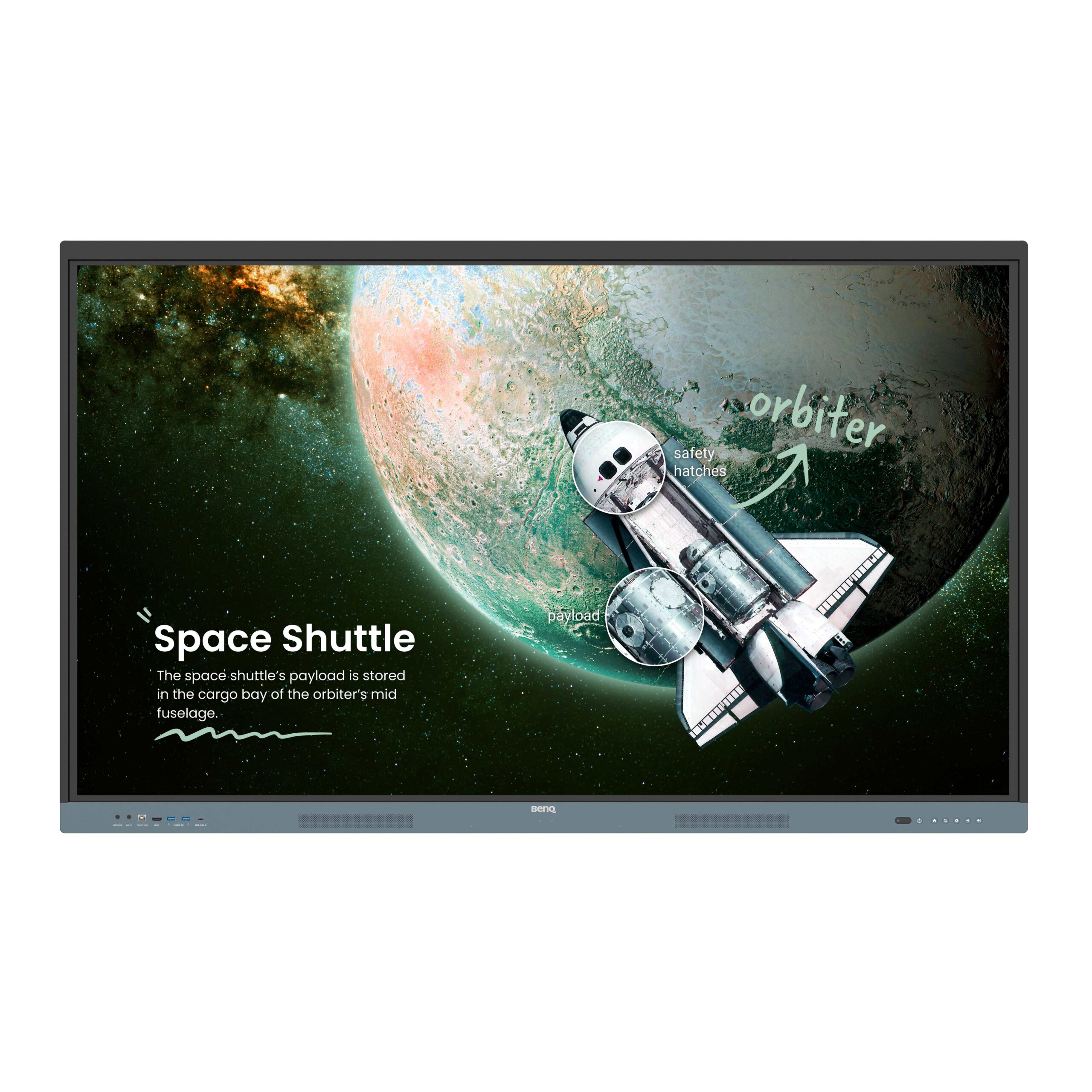
Visualisers work alongside classroom display equipment such as data projectors and large screens. When connected to a projector or display, the visualiser image can be shown to the entire class.
This combination allows teachers to present demonstrations, show documents and display real objects in much greater detail than traditional teaching methods.
Which Subjects Benefit Most from Visualisers
Visualisers can be used in almost any subject but they are particularly valuable in lessons that involve demonstrations or written explanation.
In maths they allow teachers to show worked examples clearly. In art they are useful for demonstrating drawing techniques or displaying pupil artwork. In science they allow small experiments or specimens to be viewed by the entire class.
Visualisers are also useful in English lessons when analysing handwriting, grammar exercises or reading passages together.
Benefits of Visualisers in the Classroom
One of the biggest advantages of visualisers is improved engagement. When pupils can clearly see what the teacher is demonstrating, they are more likely to follow the lesson and understand the concept being explained.
Visualisers also save time because teachers no longer need to reproduce work on a whiteboard. Instead, they can place the original material under the camera and display it instantly.
Another benefit is that teachers can easily capture images from lessons and share them later with pupils or colleagues.
Choosing a Visualiser for Your School
When selecting a classroom visualiser, schools should consider image quality, ease of use and compatibility with existing classroom displays. A flexible arm, strong zoom capability and simple controls can make the device far more practical for everyday teaching.
Schools should also ensure the visualiser connects easily to projectors, interactive screens or large classroom displays such as LED screens already installed in classrooms.