
Classroom AV technology has evolved rapidly over the past decade. While choice has increased, so has confusion. This guide explains the main types of classroom AV equipment used in UK schools and how each supports teaching.
Interactive touchscreens
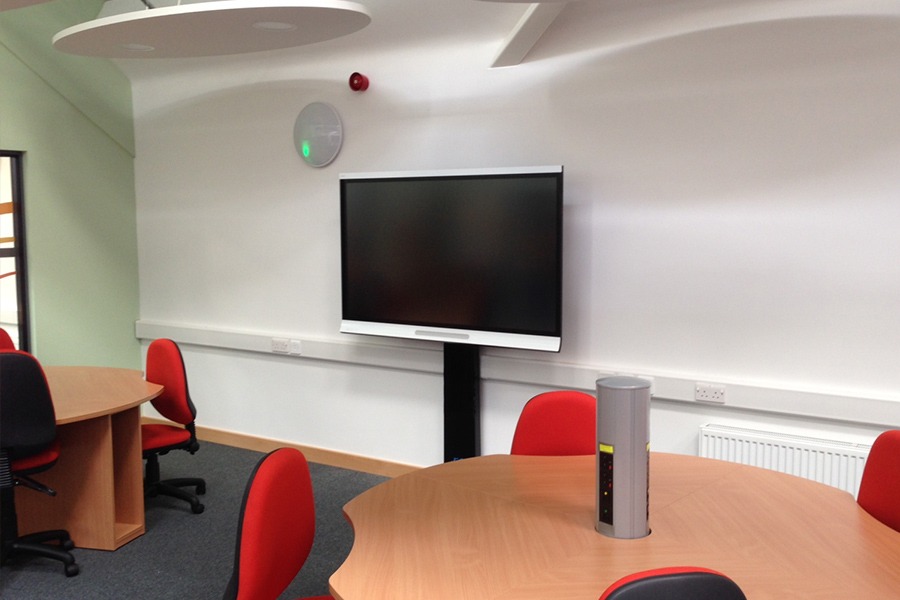
Interactive touchscreens are large-format displays that combine a digital screen with touch input. They are now widely used across primary, secondary and further education.
Key benefits:
-
Bright, clear images in all lighting conditions
-
Direct interaction without separate devices
-
Built-in software for annotation and collaboration
They work best as a central teaching display, replacing traditional whiteboards. However, schools should consider room size, wall strength, and long-term support before installation.
Visualisers
Visualisers (sometimes called document cameras) project real-world objects onto a screen.
They are especially valuable for:
-
Demonstrating handwriting and artwork
-
Showing books, worksheets and practical tasks
-
Supporting inclusive teaching approaches
Visualisers are simple, reliable and teacher-friendly. They often deliver a strong return on investment, particularly when paired with existing displays.
Projectors
Projectors have been used in classrooms for decades and remain relevant in many settings.
Modern laser projectors offer:
-
Longer lifespans
-
Lower maintenance
-
Improved brightness
They are still a sensible option where large image sizes are needed or where schools want to upgrade existing infrastructure without major building work.
LED displays
LED displays are non-interactive screens used mainly for:
-
Assemblies and presentations
-
School halls
-
Reception areas and signage
They offer excellent brightness and durability, making them suitable for shared spaces and continuous use.
Audio: the forgotten component
Visual technology often gets all the attention, but audio quality is just as important.
Poor sound affects:
-
Student concentration
-
Accessibility
-
Teacher vocal strain
Integrated classroom audio systems ensure all pupils can hear clearly, regardless of where they are seated.
Choosing the right combination
There is no single “best” classroom AV solution.
Effective schools choose combinations that suit:
-
Room size and layout
-
Age groups taught
-
Staff confidence levels
-
Budget and maintenance capacity
This is why many schools work with specialist education AV providers rather than general technology suppliers.
Looking ahead
Classroom AV technology should support teaching, not complicate it. Simplicity, reliability and proper installation will always matter more than the latest features.
Schools that invest thoughtfully — with guidance from experienced education specialists — are best placed to get lasting value from their technology.